 Below is a link to a PDF document outlining the basics for setting up a small scale dairy operation and then getting your Maine Dairy Processors license to allow you to sell your products. It was put together by the Maine Micro-Dairy Cooperative which, sadly, is no longer an on-going operation
In addition to the basic regulations, it’s also important to be on top of all the sanitation needs for a small scale milking dairy, something that the Guild and/or the University of Maine Cooperative Extension can help you with. Join the Guild, attend our meetings, and together we can make great cheese together!
From the introduction:
The purpose of this document is to provide a basic overview of the requirements and standards that must be met for the production and sale of milk and dairy products in the state of Maine. It is not intended to replace nor supersede the official Department of Agriculture publication (Chapter 329: Rules Governing Maine Milk and Milk Products) from which it is derived, nor should it seem to take precedence over the judgment and advice of the State Dairy Inspectors who oversee the regulatory compliance of each producer and processor. It should be used as a guide only, in combination with on-site consultation and Department of Agriculture recommendations.

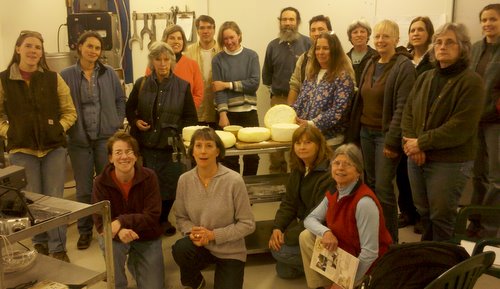
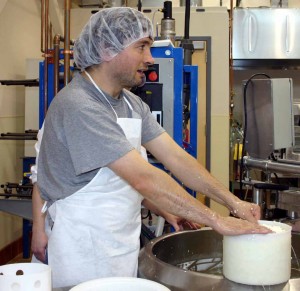 If all cheese looks and tastes like cottage cheese as it comes out of the pot, what turns that squishy mess of milk solids into cheddar or Camembert or Gouda or Gorgonzola or (even) Kraft(TM) Singles? It’s AFFINAGE, which is the French term for the process of taking curds and just pressed wheels of cheese and turning them into the sublime creations we expect to see in the refrigerated case of our favorite cheesemonger. Once you scoop your cheese out of the pot, it’s often a long way from becoming what you are hoping for, and many different factors will determine its fate: temperature, humidity, handling, molds, cultures, salt, and any extra sumpin’ sumpin’ (like leaves or herbs or wine or beer or cider) you choose to apply to it. Patrick will describe all of these processes for taking pressed curds and turning them into ‘the Feet of God.’